
Manufacturing is often assumed to be tough on the environment, but the reality on the ground tells a very different story. Across California, companies are formulating more sustainable products, cutting emissions, conserving resources, and investing in cleaner technologies.
This Earth Day, we’re highlighting just a few of the California manufacturers that challenge outdated assumptions and show what responsible industry looks like today. Meet the CMTA members helping make a more sustainable future.
CalPortland Exceeds Energy Management Goals
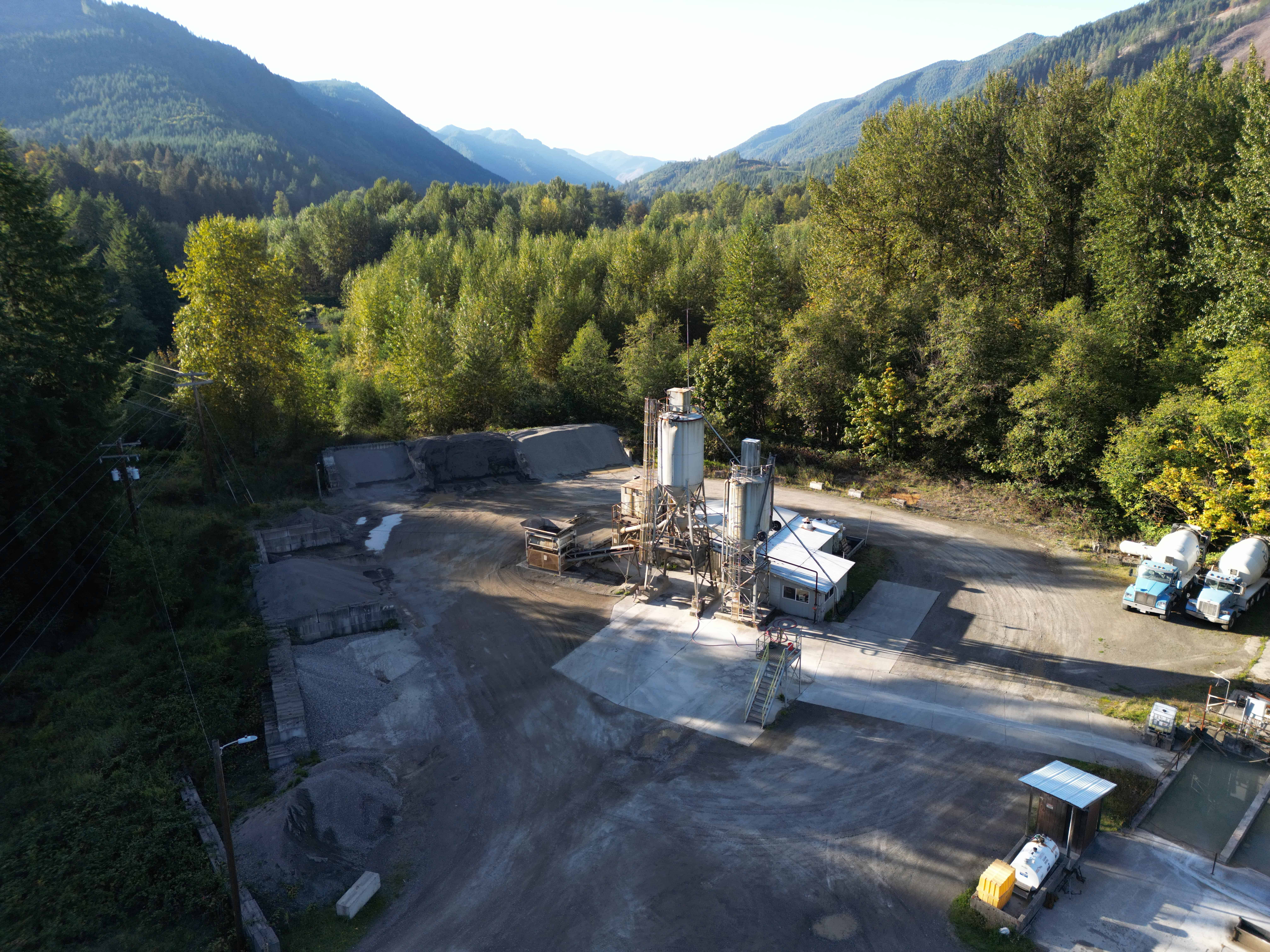
CalPortland’s Ready Mix plant in Lompoc, CA, recently achieved the ENERGY STAR Challenge for Industry, a global call-to-action that encourages industrial facilities to reduce energy intensity by at least 10% within five years. CalPortland is the largest building materials company producing cement and construction material products in the western U.S.
The company’s Lompoc facility, alongside other CalPortland sites in Oregon and Washington, exceeded this goal through operational improvements and energy management. This is the second year the Lompoc site has been recognized.
Corteva Advances Sustainable Agriculture

Corteva Agriscience is advancing more sustainable agriculture through a joint venture with Hexagon Bio, developing next-generation, nature-inspired crop protection solutions. By combining Corteva’s expertise in biological and natural product-based manufacturing with advanced technologies such as AI, microbial genetics, and synthetic biology, the partnership aims to create more effective tools to help farmers protect crops and reduce environmental impact.
This effort reflects a broader shift toward products derived from natural processes and improved by science, supporting more sustainable food production.
PepsiCo’s Electric Semi-Truck Fleet Cuts Emissions

PepsiCo continues cleaner transportation efforts at its Fresno, CA bottling facility by expanding its electric semi-truck fleet and the supporting infrastructure. With early access to additional grid capacity, the site can now charge its full fleet of 50 electric trucks, cutting an estimated 8,000 tons of CO₂ emissions.
PepsiCo had support from Pacific Gas & Electric Company through PG&E’s EV Fleet program, which helps fleet operators easily install charging infrastructure to eliminate tailpipe emissions.
Read more from Pacific Gas & Electric Company
Phillips 66 Fuels the Future of Aviation
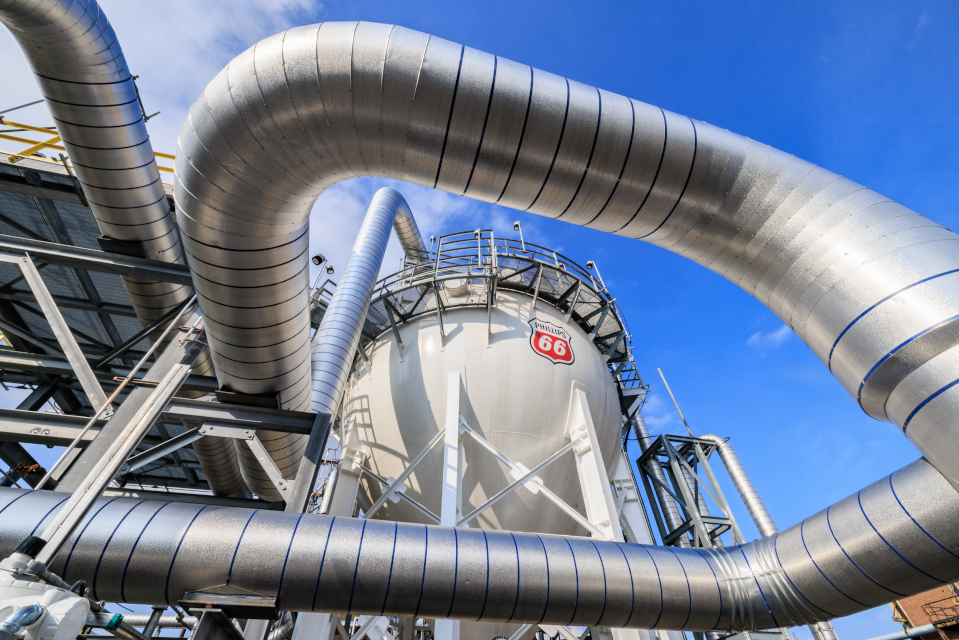
Phillips 66 is advancing lower-carbon fuel production through sustainable aviation fuel (SAF) efforts, including major supply agreements and investments tied to its California operations. The company is scaling SAF production and distribution through facilities like the Rodeo Renewable Energy Complex, replacing traditional jet fuel with lower-emission alternatives.
Recent agreements—such as a multi-year deal to supply hundreds of thousands of metric tons of SAF—are expected to significantly cut lifecycle greenhouse gas emissions compared to conventional aviation fuel.
Phillips 66’s SAF received national attention when it made the Top 4 of CMTA’s Coolest Thing Made in California contest in 2025.
Procter & Gamble Increases Water Efficiency

By 2030, Procter & Gamble (P&G) aims to increase water efficiency at its facilities, recycling and reusing 5 billion liters of water annually. The company is on track to achieve its goal, with a 26% increase in water efficiency as of fiscal year 2024, recycling 3.49 billion liters of water.
P&G’s water sustainability efforts also include restoring water in 18 water-stressed areas around the world through strong partnerships. One of those—the 50 Liter Home Coalition—reached a milestone in 2025 when its Los Angeles, CA, pilot project demonstrated that water efficiency can be achievable and simple for consumers. In just a year, the pilot program achieved a 21% reduction in indoor water use compared with the control group, meaning an 18% reduction in energy use.